
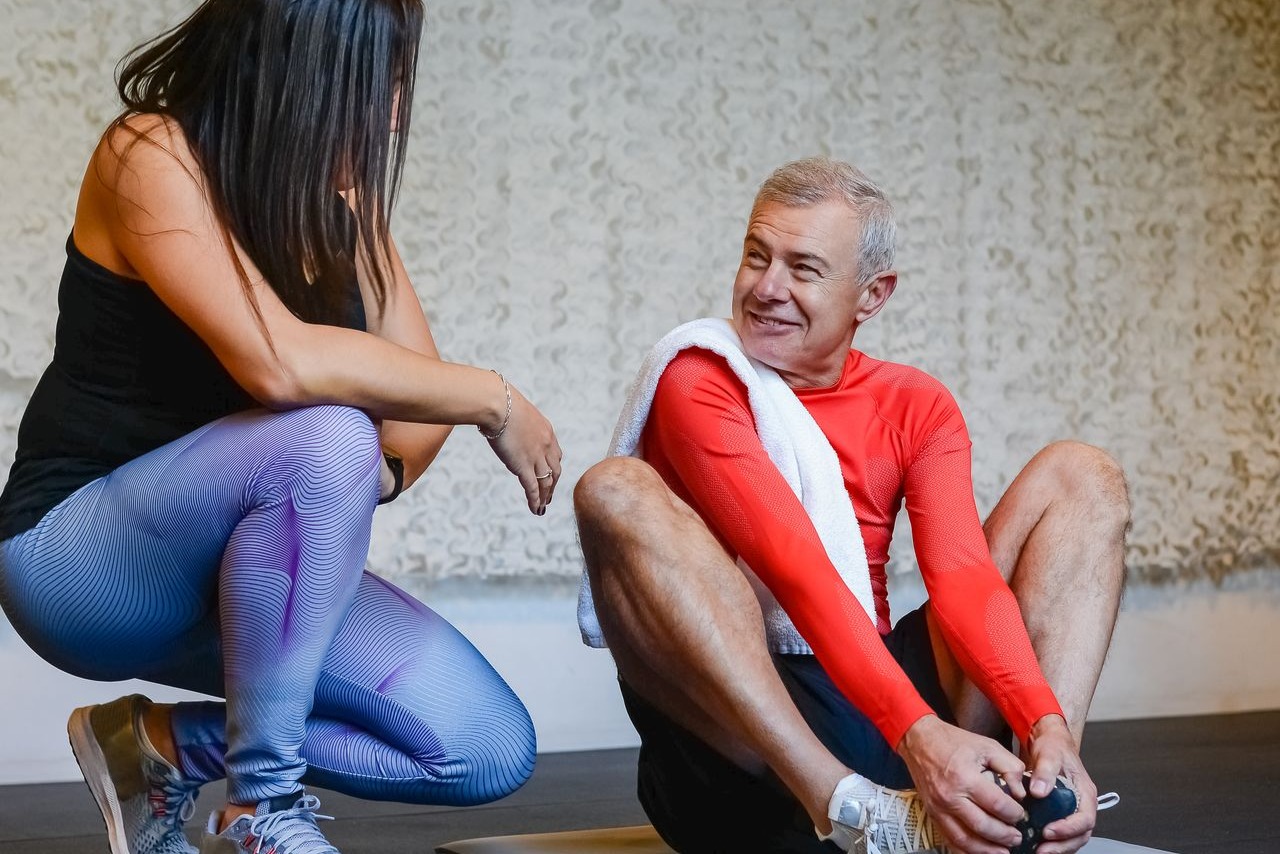
Understanding the Phases of Knee Replacement Recovery
For older adults across Encinitas, Leucadia, Cardiff, and Carlsbad, recovering from knee replacement surgery is a journey marked by distinct phases, each with its own unique challenges and milestones. Recognizing these stages is crucial for setting realistic expectations and promoting a successful return to activity. The recovery process typically unfolds in three broad phases: immediate post-surgical recovery, early rehabilitation, and long-term functional improvement.
Immediate Post-Surgical Recovery
The initial days following knee replacement surgery are focused on pain management, wound care, and preventing complications such as blood clots. Patients are encouraged to begin gentle movements almost immediately, often with the guidance of a physical therapist. These early exercises, though simple, play a vital role in restoring circulation and minimizing stiffness.
Early Rehabilitation
Within the first few weeks, structured rehabilitation takes center stage. This phase emphasizes gradually increasing range of motion, rebuilding muscle strength, and improving stability around the knee. Supervised physical therapy sessions are common, helping patients regain confidence in their new joint while ensuring exercises are performed safely.
Long-Term Functional Improvement
Months after surgery, the focus shifts to restoring full function and supporting a return to daily activities, or even low-impact sports. At this stage, exercise programs are tailored to individual goals, balancing challenge with caution. Understanding these recovery phases empowers patients to monitor their progress and work closely with their healthcare team, ensuring the best possible outcome.
What to Expect in the First Weeks After Surgery
The initial weeks following knee replacement surgery are a critical period marked by steady progress and careful attention to recovery. Immediately after the procedure, patients typically experience a combination of relief and discomfort as their body begins to heal. Swelling, stiffness, and some pain are normal parts of the early recovery process, but they are closely managed by your healthcare team. Understanding what to expect during this period can help set realistic expectations and foster a proactive mindset.
Early Mobilization and Physical Therapy
Within the first 24 to 48 hours, gentle movement is often encouraged. Physical therapists will guide you through basic exercises designed to improve circulation, reduce the risk of blood clots, and gradually restore range of motion. These may include ankle pumps, knee bends, and gentle walking, usually with the support of a walker or crutches. Adhering to your prescribed exercise program during these early days is crucial for preventing stiffness and promoting healing.
Managing Pain and Swelling
Pain management is a central focus in the first weeks. Your medical team will likely provide a combination of medications and recommend icing the knee to reduce discomfort and swelling. Elevating your leg and practicing gentle movements can further aid in minimizing inflammation. Remember, patience and consistency with exercises are key to a successful recovery journey.
As the weeks progress, you will notice steady improvements in mobility and comfort, setting the stage for more advanced exercises and activities in your rehabilitation timeline.
Building Walking Tolerance During Weeks Six to Twelve
The period between weeks six and twelve after knee replacement surgery marks a pivotal phase in your rehabilitation journey. By this stage, initial swelling has begun to subside and the new joint is gradually adapting to increased activity. The primary focus now shifts toward building walking tolerance, a crucial step toward regaining independence and enhancing overall mobility.
During these weeks, you will likely find yourself able to walk for longer distances without significant discomfort. Physical therapists often encourage a gradual increase in walking frequency and duration, always prioritizing proper form and safety. For many, this means moving from using supportive devices like walkers or canes to walking unassisted, depending on individual progress. It’s important to listen to your body, as overexertion can lead to setbacks such as increased swelling or pain.
Key Strategies for Improving Walking Tolerance
- Incremental Progress: Gradually increase your daily walking distance, aiming for consistency rather than intensity.
- Surface Awareness: Begin on smooth, flat surfaces before tackling uneven terrain or stairs.
- Rest and Recovery: Balance periods of activity with adequate rest to promote healing and reduce fatigue.
By focusing on these strategies, you’ll enhance muscle strength, joint stability, and confidence in your knee. This foundation paves the way for more advanced rehabilitation activities in the upcoming weeks, moving you closer to full function and a return to your favorite activities.
Strengthening Strategies from Three to Six Months Post Surgery
As you reach the three-to-six-month milestone after knee replacement surgery, your rehabilitation journey enters a transformative phase. This period is characterized by a shift from basic mobility exercises to a targeted focus on muscle strengthening, endurance, and regaining full function. While the initial post-operative weeks are dedicated to healing and gentle movement, the months that follow allow for a more ambitious strengthening strategy, one that supports your knee’s stability and prepares you for everyday activities and recreational pursuits.
Key Strengthening Approaches
- Progressive Resistance Training: Incorporate resistance bands, light weights, or gym machines to gradually increase muscle workload. Emphasis should be placed on the quadriceps, hamstrings, and calf muscles to foster balanced support around the knee joint.
- Functional Movement Drills: Practice controlled squats, step-ups, and gentle lunges to enhance your ability to perform daily tasks. These exercises improve both strength and confidence in real-world scenarios.
- Low-Impact Cardio: Utilize stationary bikes, elliptical trainers, or swimming to build cardiovascular endurance while minimizing joint stress.
By adhering to a structured strengthening regimen during this critical window, you lay the groundwork for long-term knee health and a more active lifestyle. This sets the stage for advanced activities and greater independence in the months ahead.
Continued Progress Six to Twelve Months After Knee Replacement
For many patients, the period between six to twelve months after knee replacement surgery marks a significant turning point in their recovery journey. By this stage, most individuals have regained much of their mobility, and the focus gradually shifts from basic rehabilitation to enhancing strength, endurance, and confidence in daily activities. While some lingering stiffness or mild discomfort may persist, these symptoms typically diminish as the new joint continues to adapt and strengthen.
Advancements in Activity Levels
During this phase, patients are encouraged to pursue a more active lifestyle, incorporating low-impact exercises such as swimming, cycling, or brisk walking. These activities not only support joint health but also promote cardiovascular fitness and overall well-being. It is important, however, to remain mindful of the knee’s limitations, high-impact sports or activities involving sudden twists should still be approached with caution or avoided altogether.
Setting Realistic Expectations
Progress can vary widely, but most individuals experience continued improvements in pain relief, range of motion, and function. By the twelve-month mark, many find they can participate comfortably in recreational activities and enjoy a more independent, fulfilling lifestyle. Consistency with prescribed exercise routines and ongoing communication with healthcare providers remain essential for optimal long-term outcomes.
Why Strength Deficits Persist After Physical Therapy Ends
Despite completing a structured course of physical therapy following knee replacement surgery, many individuals find themselves facing ongoing strength deficits. This phenomenon can be both frustrating and surprising, especially after weeks or even months of diligent rehabilitation. Understanding why these deficits linger is essential for setting realistic expectations and formulating a long-term recovery plan.
Muscle Atrophy and Neuromuscular Changes
Muscle atrophy, the gradual loss of muscle mass, begins long before surgery, often due to chronic pain and reduced activity levels. While physical therapy focuses on restoring joint mobility and functional movement, it may not fully reverse months or years of muscle weakening. Additionally, surgery itself can disrupt normal neuromuscular pathways. The body needs time to reestablish strong connections between the brain, nerves, and newly repaired joint, a process that extends well beyond formal therapy sessions.
Limitations of Standard Physical Therapy Duration
Most insurance plans and rehabilitation protocols set rigid timeframes for therapy, often ranging from six to twelve weeks. This period, though critical for regaining basic function, is frequently insufficient for rebuilding deeper muscle strength, especially in the quadriceps and surrounding stabilizers crucial for knee health. True muscular recovery often demands ongoing, progressive resistance training and functional exercise long after formal therapy concludes.
Recognizing the persistence of strength deficits empowers individuals to seek continued exercise and support, paving the way for a safer and more complete return to daily activities.
Safe Strength Training and Balance Work for Lasting Results
Following knee replacement surgery, incorporating safe strength training and balance exercises is critical to achieving lasting results and optimizing recovery. The journey doesn’t end once you leave the operating room, regaining strength and stability is a gradual process that requires patience, consistency, and the right approach.
Key Components of Post-Surgery Strength Training
Effective strength training focuses on rebuilding muscle groups that support the new joint, particularly the quadriceps, hamstrings, and calf muscles. Start with low-resistance exercises such as straight leg raises, seated knee extensions, and gentle resistance band work. As your confidence and mobility grow, gradually introduce more challenging movements under the guidance of a physical therapist. This progression helps prevent injury while steadily enhancing muscle tone and joint support.
Balance Work for Confidence and Safety
Equally important, balance exercises aid in reducing the risk of falls and fostering independent movement. Simple activities like standing on one leg, heel-to-toe walking, or using a balance board can be introduced as your mobility improves. These exercises retrain your body’s proprioception, ensuring smoother, safer movements throughout daily life.
By prioritizing both strength and balance in your exercise regimen, you lay the foundation for a resilient recovery, enabling you to enjoy long-term mobility and confidence as you return to your favorite activities.
When to Stop and Call Your Surgeon or Doctor
While exercise is a crucial component of recovery after knee replacement, it’s equally important to listen to your body and recognize when professional guidance is needed. Not every ache or discomfort signals a complication, but certain symptoms should never be ignored. Knowing when to stop your activity and reach out to your surgeon or doctor can make all the difference in ensuring a smooth, successful recovery.
Warning Signs That Require Immediate Attention
- Persistent or Worsening Pain: Some discomfort is normal, especially in the early stages post-surgery. However, if you experience severe pain that doesn’t improve with rest, ice, or prescribed medications, it could indicate a problem that needs medical evaluation.
- Swelling That Doesn’t Resolve: Mild swelling is expected, but if your knee becomes increasingly swollen, hard, or hot to the touch, it could be a sign of infection or blood clot.
- Redness and Drainage: Watch for redness spreading from the incision site or any unusual discharge, these can signal infection and require prompt intervention.
- Fever or Chills: A high temperature or shakes, especially in combination with local symptoms, should be reported to your healthcare provider immediately.
- Difficulty Breathing or Chest Pain: These may be signs of a blood clot traveling to the lungs (pulmonary embolism), which is a medical emergency.
If you encounter any of these warning signs during your post-operative exercise routine, stop immediately and contact your medical team. Timely communication with your surgeon or doctor helps prevent complications and supports your overall knee replacement recovery journey.
Book an Assessment at Ageless Fitness in Encinitas and North County San Diego
Embarking on your journey of exercise after knee replacement begins with a crucial first step: scheduling an assessment at Ageless Fitness, conveniently located in Encinitas and serving Leucadia, Cardiff, Carlsbad, and all of North County San Diego. This initial appointment is more than just a formality, it is the foundation for a personalized recovery and fitness plan tailored specifically for your needs, abilities, and surgical outcomes.
During your assessment, our experienced team of rehabilitation and fitness specialists will conduct a thorough evaluation of your current mobility, strength, and flexibility. We consider your surgical history, lifestyle goals, and any concerns you may have about returning to physical activity. With state-of-the-art equipment and a compassionate, knowledgeable staff, Ageless Fitness creates a supportive environment where your comfort and progress are our top priorities.
Why an Assessment Matters
- Personalized Programming: Every knee replacement journey is unique. An assessment ensures your exercise plan is customized to your pace and recovery stage, minimizing the risk of injury and promoting optimal healing.
- Goal Setting: Our team will help you set realistic, achievable milestones, whether you aim to walk without assistance, return to your favorite sport, or simply regain everyday function.
- Expert Guidance: Benefit from professional oversight as you transition safely into post-surgical exercise, building confidence and strength along the way.
Take the proactive step toward a stronger, healthier future, book your assessment at Ageless Fitness in Encinitas or North County San Diego today, and begin your journey with the support and expertise you deserve.