
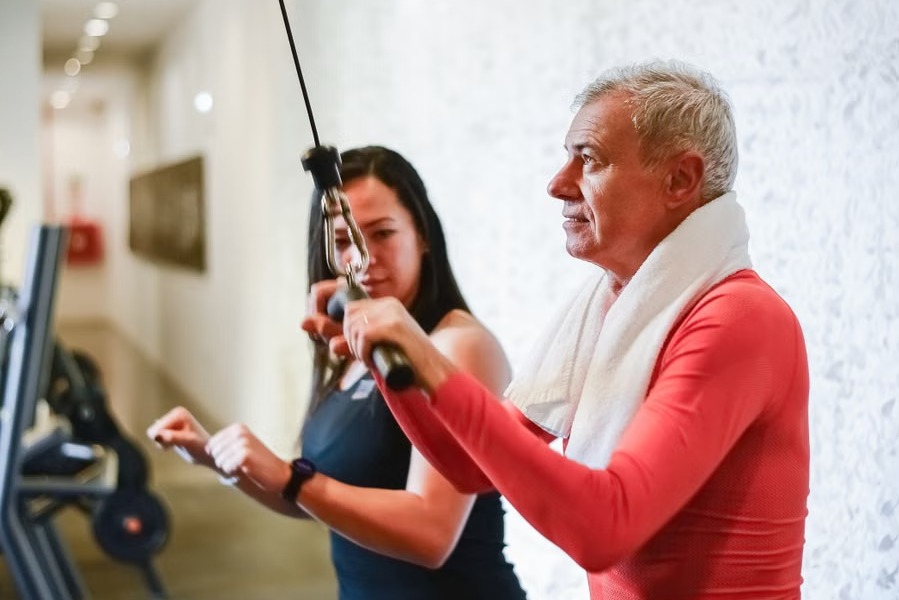
Starting a Strength Routine After 60
A strength routine does not need to be complicated to be worthwhile. For adults 60 plus in Encinitas, a practical starting point is a plan that fits real life: manageable sessions, familiar movements, steady practice, and enough flexibility to adjust from day to day.
The purpose is not to compete with anyone else or recreate a workout from decades ago. It is to practice moving with control and build confidence with exercises that connect to daily activities. Personal training can provide structure, feedback, and a consistent time to focus on that practice.
Begin With a Manageable Commitment
Consistency usually starts with a schedule you can realistically keep. A shorter session that fits comfortably into the week may be easier to repeat than an ambitious plan that disrupts everything else.
Choose one or two reliable times and consider them appointments with yourself. Consider when your energy tends to be best, how the session fits around work or family commitments, and how much time you need to arrive without feeling rushed. A routine can grow later. The first goal is simply to establish a pattern.
Rest and everyday activity also belong in the plan. Walking around the neighborhood, gardening, errands, and recreational activities all contribute to the total movement in a week. A training schedule should complement that life instead of competing with it.
Practice Movements That Relate to Daily Life
A well-rounded strength session can include movement patterns that appear outside the gym. Sitting down and standing up resembles a squat. Picking up a light object involves a hinge. Opening a door may use a push or pull. Carrying groceries asks the hands, arms, trunk, and legs to work together.
These patterns can be practiced in many ways. A chair can provide a clear target for a sit-to-stand. A supported row can introduce a pulling motion. A light carry can be performed over a short, uncluttered path. The appropriate variation and resistance will differ from person to person.
Quality matters more than making an exercise look advanced. Move at a pace that allows attention to posture, breathing, and control. If a movement does not feel right, pause and discuss it with the trainer rather than pushing through it.
Include Strength, Balance, and Mobility
Strength, balance, and mobility support different parts of everyday movement, so it can be useful to give each one some attention.
Strength work provides practice producing force through controlled movements. Balance practice asks the body to manage position and direction. Mobility work explores comfortable movement through the hips, shoulders, ankles, and other joints.
They do not need to be isolated into separate workouts. A session might begin with gentle mobility, move into supported strength exercises, and include balance through a stance change or carefully chosen stepping pattern. The exact mix can change based on the day and the person.
Personal training is useful here because an exercise can be adjusted without abandoning the purpose of the movement. Changing the range, resistance, support, pace, or position can make the same pattern more approachable.
Build Confidence Through Repetition
New exercises often feel unfamiliar at first. Repeating a small set of foundational movements gives you time to learn the setup, notice what the exercise feels like, and become more comfortable with the sequence.
Variety can be enjoyable, but constant change is not required. A consistent framework also makes it easier to recognize how your movement changes over time. You may notice that a setup requires less thought, that you control the tempo more comfortably, or that you feel more at ease using a piece of equipment.
Progress can take several forms. It may mean adding a small amount of resistance, completing another controlled repetition, trying a slightly different range, or using a little less support. It can also mean keeping the routine during a busy week. The next step should feel earned and understandable, not rushed.
Use Communication to Personalize the Session
A productive personal training session is a conversation. Share how you are feeling that day, which movements are familiar, and what activities matter to you. A trainer can use that information to shape the session and offer options.
Clear feedback is especially helpful when a movement feels awkward, uncomfortable, or harder than expected. Adjustments are a normal part of training. They allow the session to stay responsive rather than forcing everyone through the same template.
If you have health concerns or instructions from a healthcare professional, bring that information into the conversation before beginning or changing an exercise routine.
Keep the Routine Flexible
Consistency does not mean every week must look identical. Travel, family obligations, sleep, and energy can all affect a schedule. A flexible plan gives you a way to continue without viewing one missed session as a failure.
You might shorten a session, choose lighter resistance, focus more on mobility, or move an appointment to another day. Returning to the routine matters more than making every week perfect.
It can help to review the plan every few weeks. Ask whether the schedule is realistic, whether the exercises still connect to your goals, and whether you understand how each movement can be adjusted. Small refinements can keep the routine useful and sustainable.
A Practical First Step in Encinitas
Adults 60 plus do not need an elaborate program to begin. A consistent routine can start with a few foundational movements, a manageable weekly commitment, and guidance that respects individual pacing.
If you are curious about personal training, Ageless Fitness Encinitas welcomes a low-pressure conversation about what a session is like and how a routine can be shaped around your experience, preferences, and everyday activities.